

At Paul Bunyan Plumbing & Drains, we have built our entire model around a belief that most service companies don’t hold: specialists outperform generalists, and homeowners deserve to work with the best one available for their specific problem. It is why we employ one of the largest rosters of licensed master plumbers in Minnesota rather than sending generalists. It is why we lead every diagnosis with video inspection rather than assumptions. And it is why, when we wanted to understand what true specialization in pipe restoration looks like at the highest level, we sought out David Rudisill.
David is the President of Pipe Restoration Solutions, the largest small-diameter pipe relining company in the nation. They have built their entire operation around one discipline: rehabilitating failing pipe systems from the inside using trenchless technology, at a scale no other company in the country has matched. We sat down with David to understand what that level of specialization produces for homeowners, and what it takes to earn the position PRS holds.
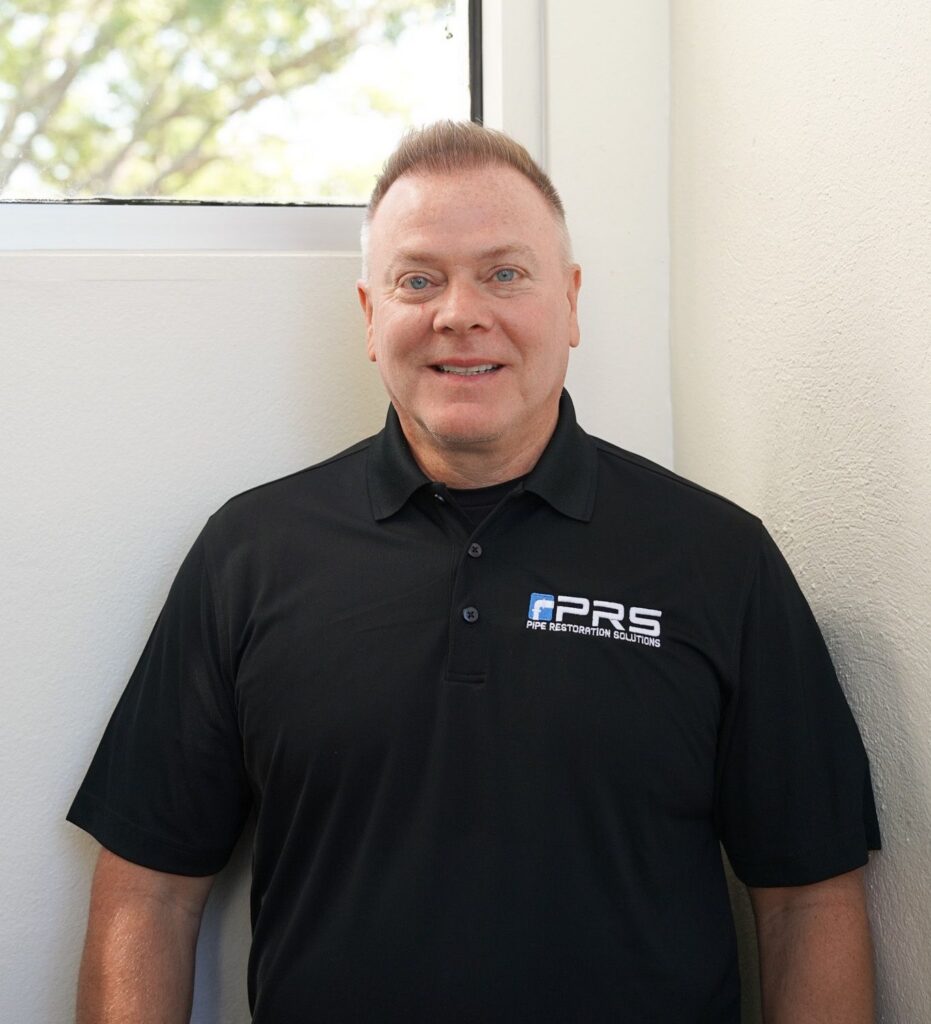
Q: How does a company become the largest small-diameter pipe relining company in the nation, and what does that scale actually mean for a homeowner with a failing pipe?
David: It means you have seen every possible version of the problem. Small-diameter pipe relining looks straightforward until you encounter the pipe that does not behave the way the last thousand did. The offset that throws off the liner. The section of cast iron that corroded unevenly. The access point that does not exist where it should. The contractors who have completed hundreds of projects learn the standard cases. The ones who have built a national operation around this single discipline have encountered every exception and developed a solution for each one. What a homeowner gets from that scale of experience is a team that does not get surprised, because whatever they are looking at, we have seen it before. That experience comes from restoring pipe systems across residential homes, condominiums, commercial buildings, healthcare facilities, and other complex properties where every project presents different challenges.
Q: Like PRS, Paul Bunyan leads with video inspection before recommending anything. What does that diagnostic commitment mean when the footage reveals a pipe that needs restoration?
David: It means the homeowner has the information they need before committing to a solution. Video inspection footage tells you whether the pipe has structural integrity remaining, where the deterioration is concentrated, what caused it, and whether the pipe can accept a liner or requires excavation. It allows us to recommend the appropriate solution based on documented pipe conditions rather than assumptions. Without that data, you are guessing with someone’s yard and budget. Companies that lead with diagnostics the way Paul Bunyan and PRS do are giving homeowners the foundation they need to make the right call. Our job from that point is to match the right solution to what the footage actually shows.
Q: What conditions make a pipe the strongest candidate for trenchless relining, and what genuinely requires excavation?
David: A strong relining candidate has deterioration without structural collapse. Corrosion, root infiltration, joint separation, longitudinal cracking, and scaling are all conditions that Cured-In-Place Pipe lining technology addresses effectively because the host pipe still has sufficient structural integrity to support the liner. Excavation becomes necessary when a pipe has collapsed, shifted significantly out of alignment, or sustained breaks severe enough that no liner can bridge them. Those cases do exist, but many pipes are excavated when full replacement may not have been necessary. Many homeowners move forward with excavation without first learning whether trenchless rehabilitation is a viable option. Speaking with a trenchless specialist before committing to a repair method helps ensure all appropriate solutions are considered.
Q: What has doing more small-diameter pipe relining than any other company in the country taught you that could not be learned any other way?
David: That the pipe itself is rarely the entire problem. Volume teaches you to look at the entire system, not just the immediate symptom. The same deteriorated pipe that looks like a standalone failure is usually telling a story about root sources above ground, drainage patterns around the structure, or prior repairs that created the conditions for the current failure. When you have relined pipe systems across thousands of residential and commercial properties at national scale, you stop treating each project as an isolated repair and start reading it as part of a longer infrastructure story. That perspective is what prevents the homeowner from coming back with the same problem three years later.
Q: For a homeowner sitting with a video inspection report showing serious pipe deterioration, what is the most important question they should ask before choosing a contractor?
David: Ask how many small-diameter residential pipe lining projects they have completed and whether trenchless rehabilitation is a core part of their business or simply one of many services they offer. The answer will tell you whether you’re working with a true specialist. Being the largest small-diameter pipe relining company in the nation happened because we chose one discipline and built everything around doing it better than anyone else. That is what homeowners should be looking for when the problem calls for a specialist.
Pipe Restoration Solutions is the largest small-diameter pipe relining company in the nation. Learn more at piperestorationsolutions.com.